
BetOnline Casino Bewertung – Eine Betrachtung des den Willkommensbonus und bestehende Promotionen
septiembre 25, 2026VipLuck Casino – Tu Acceso a los Premios Mayores en España
septiembre 25, 2026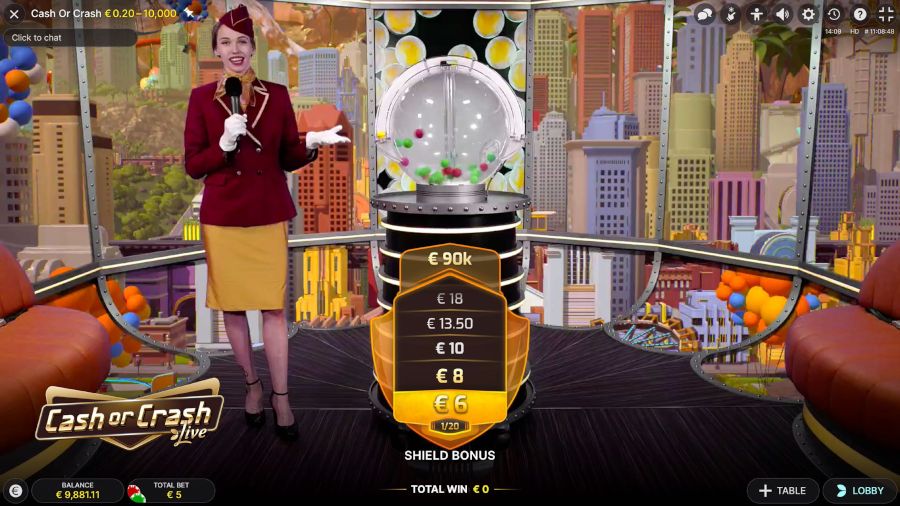
Halftime isn’t just a intermission in the game cashorcrash.ca. It offers a wide-open space for something fun. That’s where Cash or Crash Live comes in. This dynamic game show takes advantage of those 15–20 periods of downtime. It changes a passive wait into something engaging, where every viewer can participate and be part of the action.
Addressing the Mid-game Entertainment Gap
Typical halftime shows miss one big thing: letting the viewer to play. We watch shows or summary reels, but we don’t get to influence anything. That gap in attention is genuine. Viewers might check their phones or change programs. Contemporary sports fans, most notably those at home, desire to engage. To fill that gap, you must have something rapid, simple to understand, and gratifying immediately.
Participatory game shows like the Cash or Crash Live show work perfectly. They’re structured for brief, powerful bursts of play, which fits the halftime window perfectly. The format grabs your attention and provides you a stake in what occurs. This holds people engaged. It transforms a mandatory break into a likely highlight.
How does Cash or Crash Live operate?
Cash or Crash Live is a real-time game show where contestants as a group decide what occurs to a growing cash prize. A host takes everyone through multiple rounds. Each round offers one basic choice: claim the money now, or gamble it for a bigger prize. The catch is a hidden «crash» that can happen anytime, eliminating the prize if the group hasn’t already cashed out.
People compete in real time on a website or app, voting on their phones or tablets. The majority vote determines the group’s move. This generates a tense, team-based, and often very entertaining dynamic as people debate between greed and safety. It combines strategy, group psychology, and plain luck, all presented with high-energy hosting.
- Live Host & Studio: A seasoned presenter creates the suspense and talks directly to the players.
- Collective Decision-Making: Your vote merges with thousands of others to pick «Cash» or «Crash.»
- Escalating Cash Prize: The potential win grows quickly every time the group opts to crash ahead.
- Instant «Crash» Risk: The game can halt suddenly at any second, dropping the prize to zero.
Connecting with the Canadian Sports Fan
Sports culture in Canada is rooted in passion and community, from Hockey Night in Canada to CFL gatherings. Cash or Crash Live capitalizes on this by creating a virtual stadium. During the break, fans aren’t just waiting. They’re reacting and groaning together as one big group. This shared online moment enhances the togetherness of watching sports in person.

The game thrives because it’s simple. You don’t need a rulebook. The «cash or crash» choice is instinctive, so anyone can get involved, whether they gamble or not. This openness means a casual viewer can play right alongside a die-hard fan, uniting the audience together. It makes the break feel like a collective event, something that adds to the game day atmosphere instead of breaking it.
- Universal Appeal: The basic gamble is a concept people understand, no matter their background or age.
- No Expertise Needed: You don’t need sports or gaming knowledge to engage and have a say.
- Social Catalyst: It gives friends and families watching together something to discuss and play as a unit.
- Energy Sustainer: It maintains the emotional rollercoaster of sports going right through the intermission.
Why Halftime Works So Well
A sporting event and Cash or Crash Live overlap significantly. Both depend on tension, strategy, and sudden shifts in fortune. Halftime divides the sporting event precisely, providing a dedicated window for a full game session. The energy from the first half remains strong; it gets channeled into a fresh, collective objective for fans to rally around before the action resumes.
The halftime audience is already tuned in, in a social mood, and eager for entertainment. A 15-minute interactive game has enough depth to feel meaningful but short enough to wrap up before the second half kicks off. It builds a unified experience that regular ads or commentators can’t match, holding the channel’s viewers united and actively engaged.
Coordinating with Broadcast Schedules
Major sports leagues run on fixed interval times. A game of Cash or Crash Live can be calibrated to match these windows. A typical round, from start to finish, runs about 12 to 18 minutes. This permits a complete story—raising stakes, hitting a climax, and offering an ending—all before the players re-enter onto the field or court.
Example Halftime Integration Timeline
Look at a normal 20-minute halftime. The first two minutes feature typical mid-game commentary. At the two-minute mark, the broadcast launches the Cash or Crash Live segment. The live game runs for about 15 minutes, concluding around the 17-minute mark. The last three minutes offer a rapid outcome recap and a smooth transition back to pre-second-half coverage for the sport.
How to Play During a Halftime Break
Joining in is simple and takes less than a minute. First, pick up a gadget like a phone, tablet, or laptop. Go to the Cash or Crash Live webpage or launch the app. You typically don’t need a long sign-up; you can commonly join as a guest. When the live game is broadcast on your transmission, you’ll access the lobby and spot the host and the current prize total.
Each round offers you two options: «CASH» or «CRASH.» You choose based on your gut feeling, your strategy, or what the chat is saying. Observe a live bar fill up with the votes from numerous players. Feel the tension mount as the host counts. If the group advances, rejoice in the bigger prize. If you cash out, enjoy the secure win. The objective is to be part of the group that drives the prize as much as possible before the crash occurs.
Tactics for the Swift Halftime Game
The halftime version operates faster. Your strategy should adapt to that tempo. With less time, the prize rises more sharply. One common method is to set a target multiplier early, like 5x or 10x, and vote to cash out once the group hits it. But the group’s greed often has other ideas.
Another way is to ride the wave. If the group has pushed successfully a few times, confidence in the community vote will be extremely high. Going along with that can lead to huge wins, but the chance of a crash increases every time. Keep in mind, the game is designed to crash sooner or later. The real skill is reading the group’s feeling and coordinating your cash-out just before everyone pushes too far.
Past the Midpoint: Additional Optimal Moments
Halftime is a top spot, but Cash or Crash Live operates in other parts of the sports broadcast too. View it as adaptable entertainment, set to capture viewers during any pause. Its live, episodic format ensures broadcasters can schedule it whenever they want to keep the audience’s attention.
- Pre-Game Shows: Build excitement and pull the audience together before the game starts.
- In Quarter Breaks: The smaller breaks in hockey or basketball suit a fast, few-round game.
- Weather Delays or Injury Breaks: Fill unforeseen, long pauses with interactive content.
- After-Game Summary: Keep people watching after the final whistle while they wait for further analysis.
FAQ
Do I need to be in Canada to play Cash or Crash Live during a sports break?
This article focuses on Canada, but access usually depends on the broadcaster and the service’s regional rules. A lot of interactive live game shows are accessible from wherever you have internet access. It is advisable to check the particular website or app for any geographic limitations, although online play is generally widely accessible.
Is Cash or Crash Live classified as gambling?
Cash or Crash Live is a no-cost interactive game show. Participants do not wager any money to take part or play. The rewards are virtual or promotional within the game. It’s a mix of skill, like strategy and reading the group, and chance. It is designed for entertainment, not for monetary gambling.
Can I play on my TV, or do I need a separate device?
You use a separate device, like a phone, tablet, or computer, to play. The game interface is made for interactive voting. Your TV displays the live host and the game’s progress, and your device serves as your controller. This two-screen configuration is an essential element of the game’s mechanics.
How long does one full game usually last?
A full game session is crafted to fill a standard entertainment interval, generally between 10 and 20 minutes. The duration can vary as it concludes when the group cashes out or the random crash occurs. Shortened halftime variations are made to conclude before the sports activity returns.
Are genuine prizes awarded to winners?
Prizes depend on the platform and the specific game event. Typically, winners in these free games collect virtual points, bragging rights, or entries into promotional draws. The primary reward is the fun and excitement of playing. Be sure to look at the official rules for the game you’re playing to see what’s offered.
Must I to get an app to take part?
Not in every case. Many live game shows have a version that works right in your web browser on any internet-connected device. An app could give you a smoother experience, but it’s usually not required. The broadcast will inform you the simplest way to join, which is generally just a website link.
Is it fitting for all ages to participate during a family sports night?
Yes. The game’s straightforward idea and no real money make it good for families. The suspense and group choices can be a fun activity for everyone. Parents and kids can discuss whether to be cautious or play aggressively, adding a new interactive layer to your usual sports watching.